
There’s nothing like a summer day at the beach with warm sand, blue skies, and…green water? Eww!
Across the state, numerous beaches have closed unseasonably early due to blue-green algal blooms, which can be toxic to both people and dogs. Blue-green algae are cyanobacteria that thrive in warm, nutrient-rich water and quickly multiply when conditions are right. This year, a combination of early ice-out at the end of the winter and a warm spring have contributed to algal blooms starting as early as May. The lack of snow during the winter also meant that algae and other aquatic plants got a head start on growing, even before the ice disappeared.
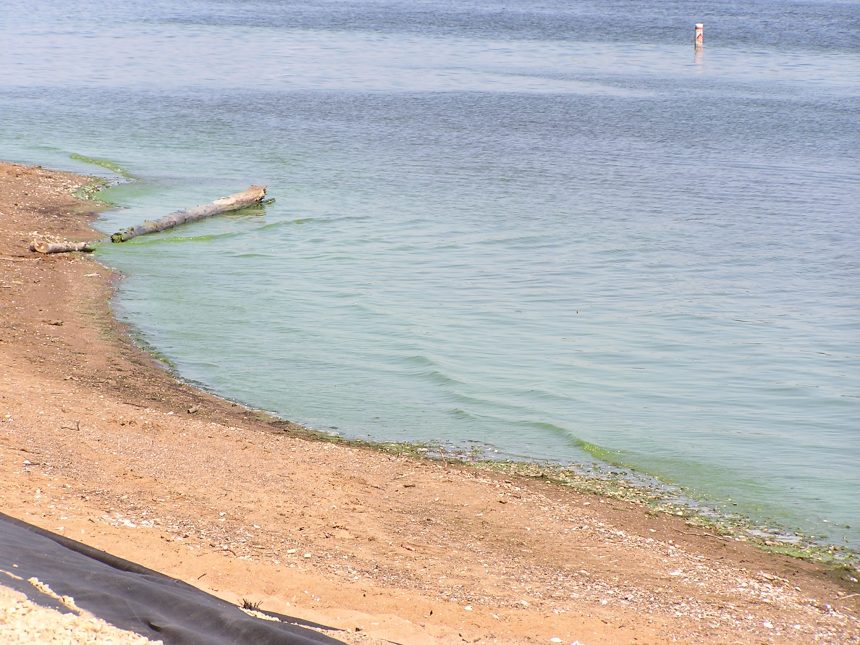
In early June, Washington County closed beaches on the St. Croix River at St. Croix Bluffs and Point Douglas Park after blue-green algae were detected in the water. Both beaches were also closed last summer, though not until August and September. Elsewhere in Minnesota, beaches in Woodbury, Eden Prairie, Minneapolis and Edina have also been closed due to blue-green blooms.
How can you tell the difference between blue-green algae and run-of-the-mill pond scum?
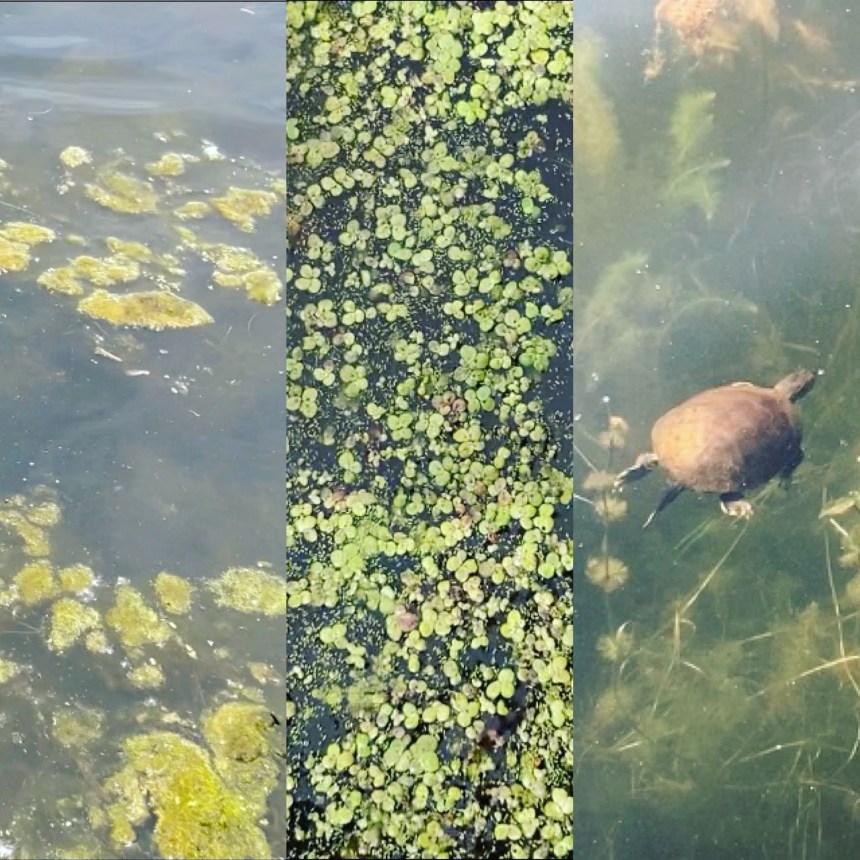
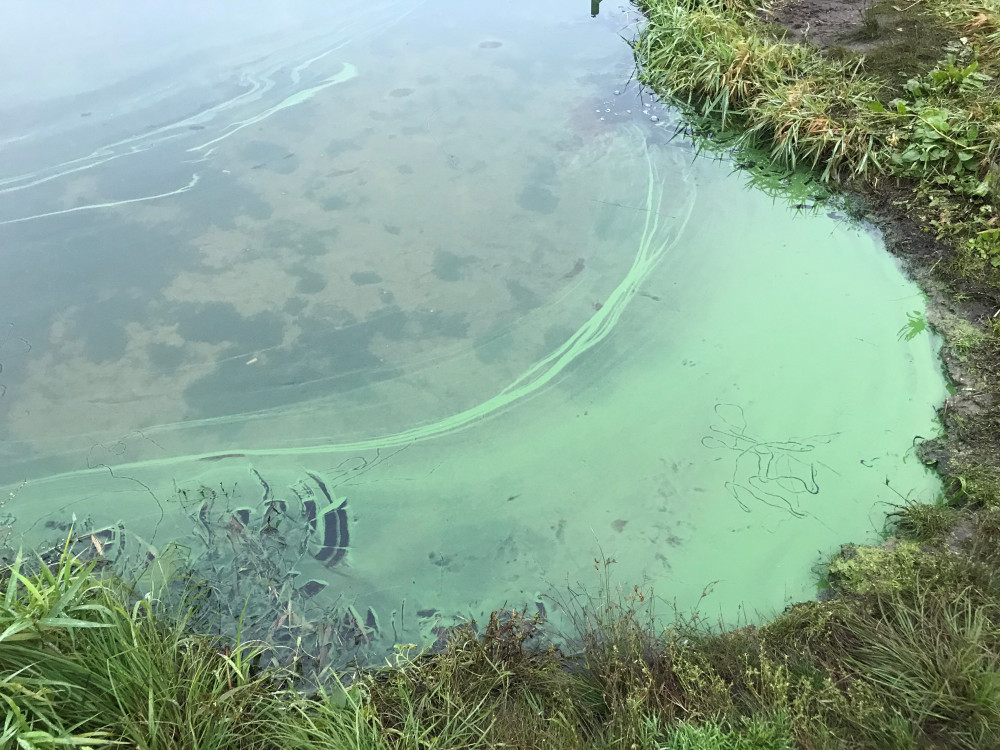
Blue-green algal blooms usually look like pea soup or bright green paint spilled in the water. On occasion, however, the water will be clear but will have floating blobs that look like poop.
In contrast, most Minnesota lakes also have filamentous algae (looks like clumps of green hair) and duckweed (looks like the water is covered in miniature lily pads), neither of which pose a health risk.
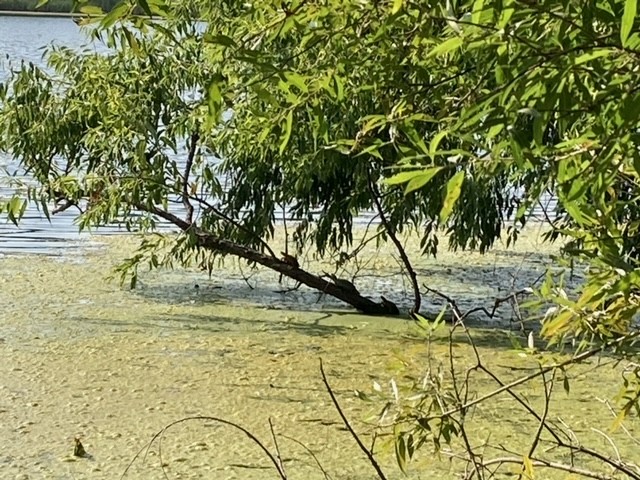
There is no way to tell if a blue-green algal bloom is toxic just by looking at it. So, if you suspect an algal bloom, stay out of the water and keep your kids and dogs out as well. Dogs can experience symptoms, including vomiting, diarrhea, weakness, difficulty breathing, and seizures within minutes of swimming in or drinking from water during a bloom.
In general, it is safe to eat fish from lakes or rivers with a blue-green bloom, as long as the guts are discarded. However, it isn’t safe to use the water for drinking, even if you boil it.
Statewide, 740 lakes and rivers in Minnesota are classified as “impaired” due to excess nutrients (primarily phosphorus) and these water bodies are most likely to suffer from frequent algal blooms. Phosphorus is a naturally occurring element that is found in leaves, grass clippings, soil, and manure and is also used as a fertilizer for growing row crops and produce. Some of the most common strategies for reducing phosphorus pollution include sweeping streets in urban areas, building raingardens and stormwater ponds, repairing failing septic systems, and working with farmers to reduce runoff and erosion.
The good news is that local communities successfully removed more than a dozen lakes from the state’s impaired waters list in 2022 and 2024, after spending many years working to reduce phosphorus runoff pollution. Recently “de-listed” lakes in Washington County include Bone, Hay, Jellums and White Rock (Scandia); East Boot (May Twp); Bald Eagle (Hugo/White Bear Township); Plaisted (Hugo); Lily and South Twin (Stillwater); Echo (Mahtomedi); and La Lake (Woodbury).

 East Metro Water